Full-Scale Wildlife Control to Secure Your Property
Effective pest management services is vital for defending properties from the risks created by standard pest types. Rodents, striped animals, and squirrels can produce significant damage and present wellness threats. Grasping their activity patterns and the possible consequences on family homes is the basic foundation in successful pest control. However, diverse strategies exist to lessen these risks. Selecting the perfect method can produce remarkable results in maintaining a calm and secure atmosphere. Which methods should homeowners focus on to provide prolonged defense?
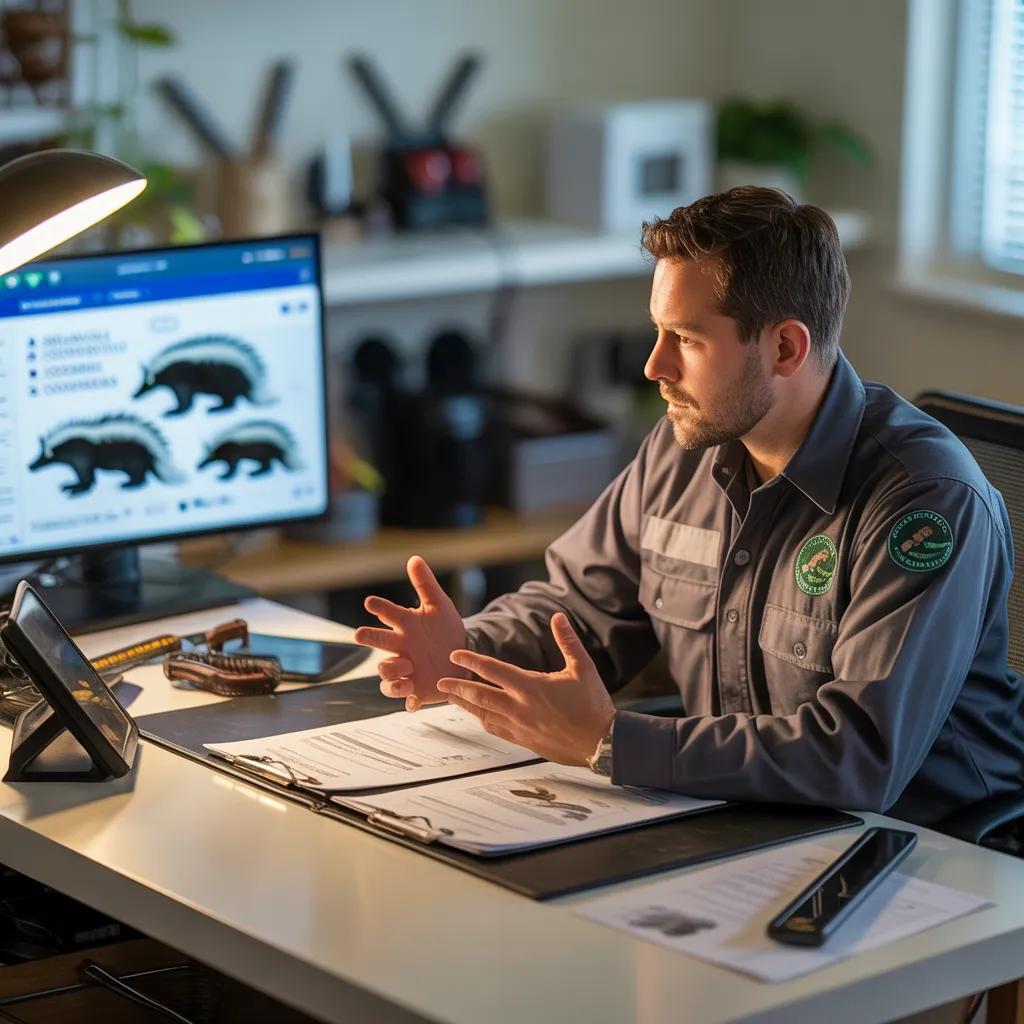
Spotting Ordinary Wildlife Intruders and Their Potential Dangers
Property owners regularly face a variety of wildlife pests that impose significant dangers to property and health. Typical invaders consist of rodents, raccoons, squirrels, and bats. Rodents, such as mice and rats, can compromise insulation and wiring while transmitting diseases through their droppings. Raccoons are well-known for ransacking garbage and can spread parasites harmful to humans. Squirrels may chew wooden structures and electrical wiring, creating potential fire hazards. Bats, while advantageous for insect control, can pose health risks through their droppings, which may contain histoplasmosis spores. Each of these pests not only threatens the physical integrity of a home but also the well-being of its occupants. Recognizing the signs of infestations, such as droppings, gnaw marks, and nests, is crucial for homeowners. Prompt recognition enables for timely intervention, reducing the associated with these common wildlife pests.
Grasping the Influence of Animal Removal on Your Property
Effective animal control methods directly affect the security and structural soundness of a property. When wildlife is managed appropriately, property owners can mitigate potential harm caused by pests, such as structural deterioration and contamination of food sources. A proactive strategy to animal control not only safeguards physical assets but also strengthens the overall well-being of the environment surrounding the property.
Furthermore, effective regulation lowers the risk of disease spread, safeguarding both inhabitants and companion animals. Wildlife can carry numerous disease agents that create dangers to human health; therefore, managing these animal populations is critical for maintaining a secure home environment. Additionally, accomplished wildlife control fosters a sense of security, allowing property operators to engage in outdoor pursuits without fear of encounters with unwanted animals. Ultimately, understanding the consequences of wildlife management is vital for ensuring that a piece of real estate stays a secure, healthy, and inviting environment for its residents.
Reliable Solutions for Blocking Wildlife Incursions
Putting proactive measures in place is important for stopping pest invasions. Property owners can substantially lower the danger by maintaining cleanliness and securing food sources. This requires appropriate garbage handling and keeping pet food inside. Additionally, blocking entry gaps, such as gaps in foundations, air vents, and chimneys, can deter animals from infiltrating buildings.
Landscaping constitutes a key factor; cutting trees and shrubs back from structures lessens potential nesting sites. Installing fences around gardens can provide additional defense against herbivorous wildlife.
Regular inspections of the property help detect signs of potential infestations early, allowing for timely actions. Utilizing motion-activated lights or noise deterrents can also prevent wildlife from approaching.
Humane Animal Management Approaches to Think About Next
Using humane wildlife control methods encourages a balance between safeguarding homes and respecting animal rights. These approaches focus on non-lethal techniques to handle animal encounters effectively. One common approach is the implementation of live traps, permitting for the safe capture and relocation of creatures without injury. Additionally, deterrent methods, such as sealing entry points and eliminating food sources, can discourage animals from entering residences.
Habitat modification is another ethical method, involving the alteration of settings to make them less appealing to undesired animals. For copyrightple, maintaining neat yards and placing trash in sealed containers can greatly reduce creature encounters.
Moreover, deploying organic solutions, such as predator scents or aromatic deterrents, can inspire wildlife to maintain distance. These approaches not only guard property but also facilitate coexistence with local wildlife, strengthening a peaceful relationship between humans and nature.
When should you contact animal removal professionals?
Figuring out the right time to call wildlife control professionals often depends on identifying signs of invasion and assessing property damage. Homeowners should remain vigilant for unusual animal behavior or physical evidence of wildlife activity. Prompt action can stop further damage and guarantee humane and safe removal of any intruding animals.
Symptoms Of Infestation
Spotting the signs of a wildlife pest problem is important for quick intervention. Residents should be vigilant for various indicators that may indicate the presence of troublesome animals. Common signs involve droppings, which can vary in size and shape contingent on the species, and unusual calls, notably during the night. Additionally, damage or marks on walls and surfaces may reveal animal activity, while burrows or nests encountered around the property can further prove an infestation. Unexplained food shortages, damaged wires, or damaged insulation may also indicate wildlife penetration. If these signs are observed, it is vital to consult wildlife control experts to copyrightine the situation and put into action effective answers before the problem escalates.
Property Injury Analysis
It is important for homeowners to evaluate property damage caused by wildlife when facing possible infestations. Damage signs often feature chewed wires, wood showing gnaw marks, and torn insulation, which typically indicate the presence of rodents or other animals. Owners should also look for droppings, nesting materials, and any structural weaknesses, as these issues can lead to costly repairs if not addressed promptly. Moreover, water damage from points where animals enter can compromise a property's integrity. When damage is severe or the infestation source unclear, it is important to call in wildlife control professionals. These experts can assess the condition, carry out effective removal methods, and prevent future complications, ensuring the property stays safe and intact.
Tips for Holding Wildlife Away Permanently
Keeping wildlife at bay requires a thorough approach that combines prevention, habitat modification, and regular care. Robust deterrence begins by safeguarding food sources; homeowners should place pet food, birdseed, and refuse in locked bins. Removing moisture sources, including blocked drainage or standing water, also reduces animal attraction.
Habitat alteration is vital. Thick vegetation should be trimmed back, and possible breeding locations, like woodpiles and dense shrubs, must be removed. Installing fencing can deter larger animals from entering yards, while smaller creatures can be prevented by using barriers.
Ongoing maintenance is imperative for extended prosperity. Consistent copyrightinations of the land should be undertaken to identify new entry points or signs of animal movement. Swift corrections and refinements will assure that installed defenses remain operative. By persistently executing these strategies, residents can build an environment that discourages animal intrusion, preserving their properties and gardens for the long haul.
Recommendations for Coexisting Peacefully With Local Fauna
Living harmoniously alongside local wildlife enhances both the environment and public health. To achieve this balance, individuals can adopt many practical approaches. To begin with, securing trash bins and compost piles stops animals from foraging, reducing unwanted wildlife encounters. In addition, maintaining indigenous vegetation in gardens fosters a natural habitat that supports local species while minimizing non-native vegetation that may damage local ecosystems.
In addition, property owners should avoid using dangerous chemical treatments, as these chemical agents can harm both animals and the surrounding environment. Teaching the community about local wildlife behaviors fosters awareness and minimizes worry. Placing wildlife-friendly fencing can also help protect gardens without harming animals.
To summarize, working alongside local conservation groups can grant resources and support for animal-safe practices. By deploying these strategies, communities can savor the benefits of local wildlife while securing safety and sustainability for all.

Common Posed Questions
What statutory provisions dictate Wildlife Control requirements in My Area?
Regional regulations relating to wildlife control vary based on location and often demand permits, prohibited methods, and predetermined seasons. People should get in touch with local wildlife departments for exact guidelines to guarantee compliance with regional laws and regulations.
What Price Can You Expect to Pay for Expert Animal Removal?
Professional wildlife control typically costs between $200 and $600, depending on variables like the type of wildlife, extent of the infestation, and necessary treatments. Extra charges may apply for follow-up visits or prevention services.
Will Wildlife Control Procedures Damage House Pets or Farm Stock?
Wildlife control techniques can potentially harm domestic animals or farm animals if not properly managed. Some approaches may inadvertently affect non-target animals, highlighting the importance of choosing skilled experts who prioritize safety for all animals involved.
How Ought to I React if I Find Damaged Creatures on My Property?
If you discover injured wildlife, stay composed while watching from far away, never touch it, and call local wildlife rehabilitation services or animal control for professional visit this page assistance to make sure the animal receives proper care.
Are there seasonal patterns in wildlife activity I should be conscious of?
Seasonal trends in wildlife activity often peak during spring and fall. Animals may be more evident seeking food and shelter, while winter brings hibernation or migration. Awareness of these cycles enhances in effective wildlife management.